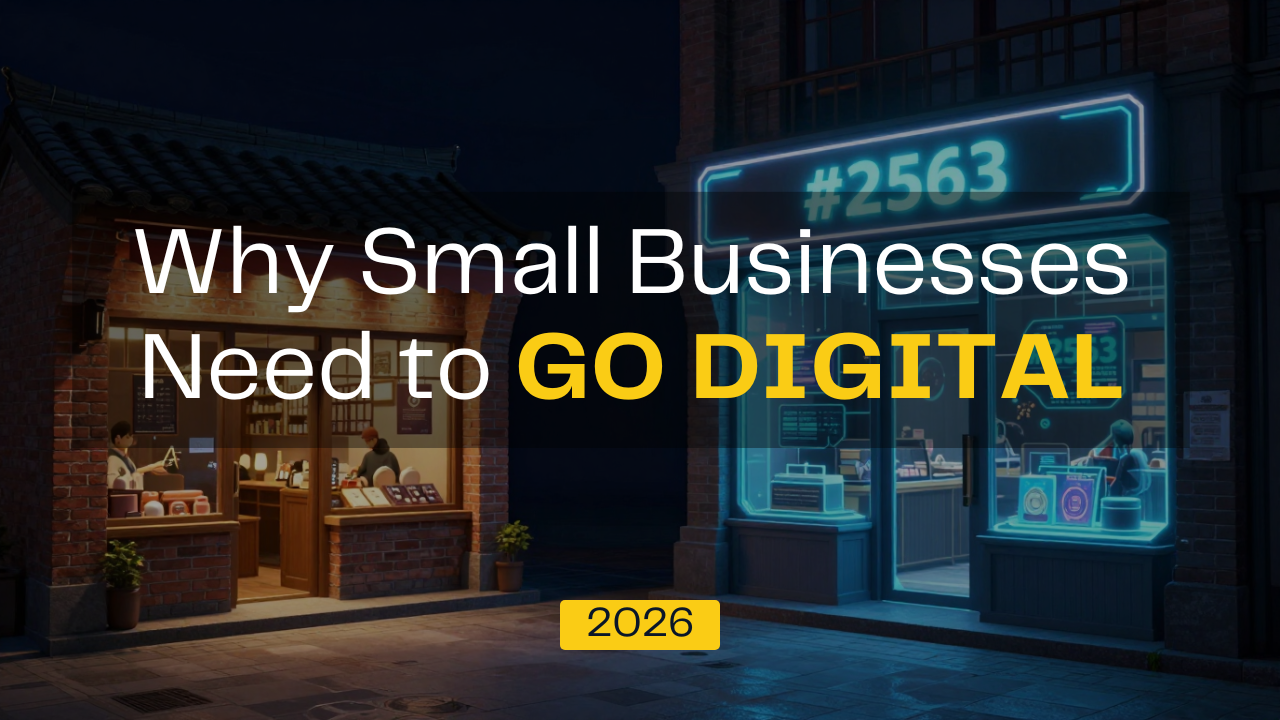
Why Small Businesses Need to Go Digital in 2026
Introduction
The way people discover, compare, and buy products has changed dramatically over the last few years.
Today, before visiting a shop or contacting a business, most customers first search online. They look for reviews, business information, products, pricing, photos, and contact details before making a purchase decision.
Whether you own a retail store, wholesale business, salon, medical shop, coaching institute, restaurant, or provide professional services, your customers expect your business to have an online presence.
The good news is that going digital no longer requires a huge investment or technical expertise. With affordable digital tools and easy-to-use platforms, even the smallest businesses can compete with larger brands.
If you're still relying only on walk-in customers or word-of-mouth marketing, 2026 is the right time to embrace digital transformation.
What Does "Going Digital" Mean?
Going digital doesn't mean you need to become a large ecommerce company overnight.
It simply means using digital tools to make your business easier to find, easier to contact, and easier to manage.
This can include:
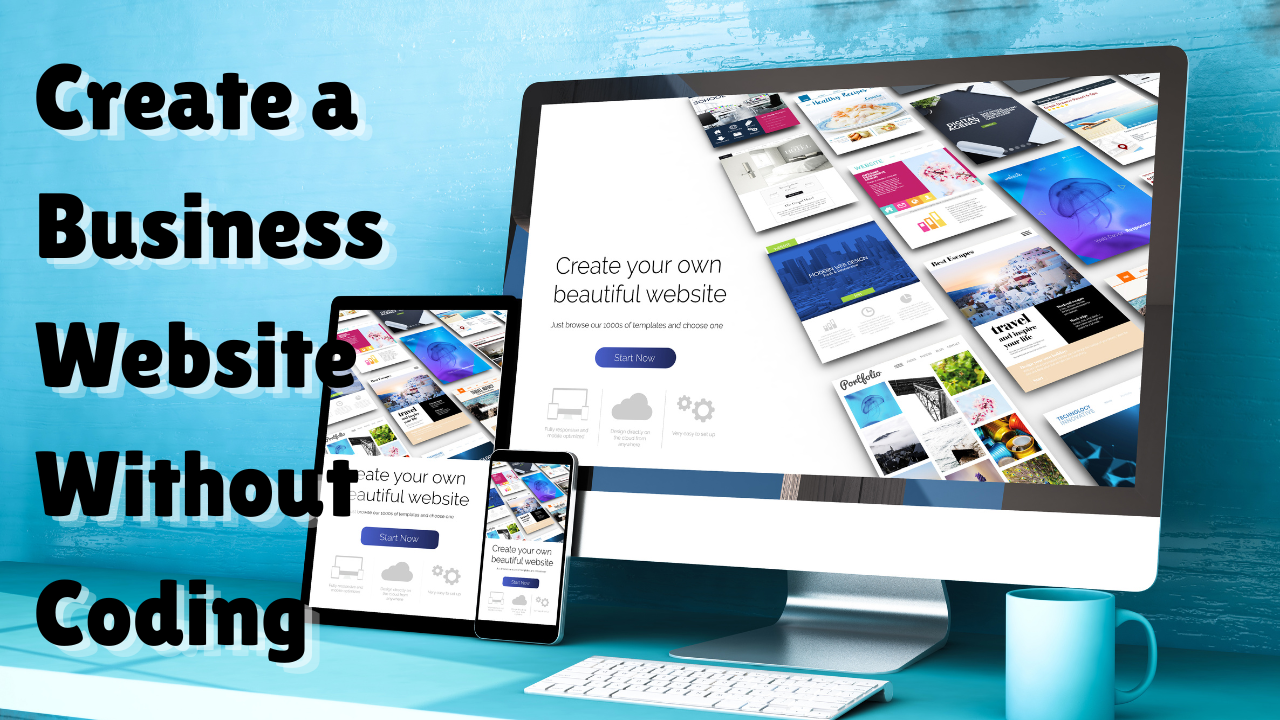
- Creating a business website
- Setting up a Google Business Profile
- Using WhatsApp Business
- Showcasing products online
- Accepting digital payments
- Collecting customer reviews
- Sharing business information through digital channels
Even taking a few of these steps can significantly improve your visibility and customer experience.
Customers Search Online Before They Buy
Consumer behavior has changed.
People no longer depend only on recommendations from friends or family. Instead, they use Google, Google Maps, social media, and business websites to research before making a purchase.
Customers often search for:
- Furniture shop near me
- Best bakery in my city
- Mobile repair shop nearby
- Clothing store near me
- Home appliance dealer
- Interior designer near me
If your business isn't visible online, those customers may never know you exist.
Digital Businesses Build More Trust
Imagine two businesses offering the same products.
The first has:
- A website
- Business photos
- Customer reviews
- Google listing
- Updated contact details
The second only shares a phone number.
Which one would you trust more?
A professional online presence gives customers confidence that your business is genuine, active, and reliable.
Trust often influences purchasing decisions just as much as pricing.
Reach Customers Beyond Your Local Area
Traditional marketing is usually limited to a specific location.
Digital marketing removes many of those barriers.
With an online presence, people can discover your business:
- Through Google Search
- On Google Maps
- Via social media
- Through shared links
- From customer recommendations
Even if you primarily serve local customers, being visible online expands your opportunities.
Stay Available 24/7
Your physical shop may close at night, but your digital presence doesn't.
Customers can:
- View your products
- Read about your services
- Find your contact details
- Send enquiries
- Learn about your business
at any time of the day.
This means your business continues working even outside regular business hours.
Improve Customer Communication
Digital tools make communication faster and more convenient.
Instead of waiting for phone calls, customers can:
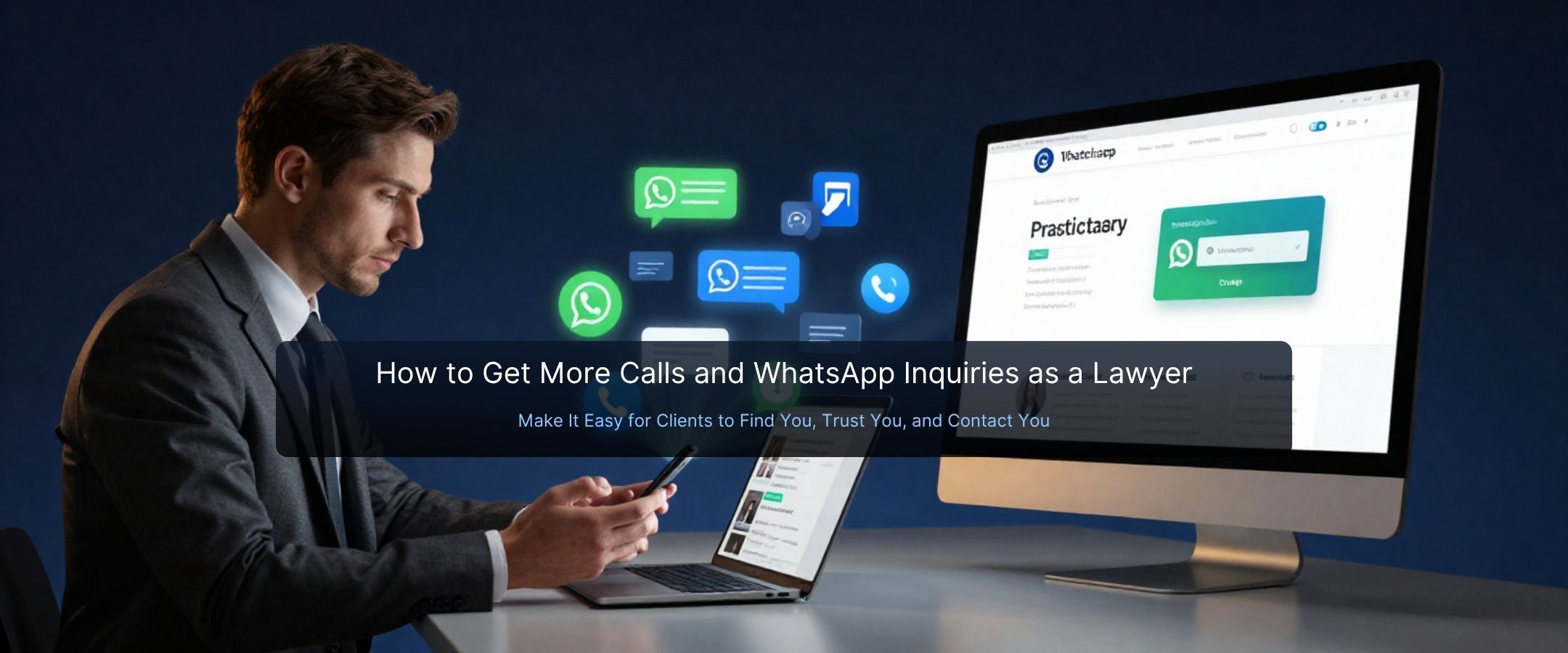
- Send a WhatsApp message
- Fill out an enquiry form
- Request a quote
- Share product requirements
- Ask questions online
Quick communication often leads to better customer satisfaction and more sales opportunities.
Digital Tools Save Time
Many routine business tasks can now be handled more efficiently.
Examples include:
- Sending product catalogues
- Managing customer enquiries
- Scheduling appointments
- Sharing payment links
- Updating business information
- Tracking website visitors
By automating repetitive tasks, business owners can spend more time focusing on growth.
Compete with Larger Businesses
One of the biggest advantages of going digital is that it levels the playing field.
A small business with:
- A professional website
- Helpful content
- Positive reviews
- Active Google Business Profile
can compete effectively with much larger companies in local search results.
Customers often choose businesses based on trust, convenience, and service—not just size.
Digital Marketing Is More Affordable Than Traditional Advertising
Many digital marketing methods are either free or cost-effective.
Examples include:
- Google Business Profile
- Search Engine Optimization (SEO)
- Content marketing
- Email marketing
- Social media
- WhatsApp Business
These channels can continue generating enquiries long after your content has been published.
Useful Digital Tools Every Business Should Consider
If you're just getting started, these tools can make a big difference:
- Google Business Profile
- WhatsApp Business
- Google Maps
- Canva
- Google Analytics
- Google Search Console
- Digital product catalogues
- Business websites
Start with the essentials and add more tools as your business grows.
Common Mistakes Businesses Make
Many business owners delay digital adoption because they believe:
- It's too expensive.
- It's only for large companies.
- They don't have technical knowledge.
- Social media alone is enough.
In reality, there are many affordable and user-friendly solutions designed specifically for small businesses.
The biggest risk today isn't going digital—it's waiting too long.
Frequently Asked Questions
Is digital transformation expensive for small businesses?
Not necessarily. Many essential tools, such as Google Business Profile, WhatsApp Business, and Canva, are free or offer affordable plans. A simple website or digital catalogue can also be created without a large investment.
Do offline businesses also need an online presence?
Yes. Even if all your sales happen in-store, customers often search online before visiting your business.
How long does it take to see results?
Some improvements, such as better communication and customer trust, happen quickly. Building strong search visibility and organic traffic usually takes consistent effort over several months.
Conclusion
Going digital is no longer just an option for small businesses—it's becoming an essential part of long-term success.
Customers expect businesses to be easy to find, easy to contact, and transparent about their products and services. By embracing digital tools, improving your online presence, and focusing on customer convenience, you position your business for sustainable growth in 2026 and beyond.
Start with small steps, stay consistent, and continue improving. Over time, those efforts can help you attract more customers, build stronger relationships, and stay competitive in an increasingly digital marketplace.
Why Businesses Choose Futkar
Futkar helps small businesses take their first step into the digital world with Pocket Websites, Online Shops, Digital Business vCards, Product Catalogues, and Smart QR Codes. Whether you're a shop owner, professional, or service provider, Futkar makes it simple to build a professional online presence and connect with more customers.
Ready to grow your business online?
Create your Pocket Website & Digital VCard free with Futkar.
Start Free Today