What Is Omnichannel Commerce and Does a Small Business Need It?
A customer discovers a product on Instagram, checks its details on a website, asks a question through WhatsApp, and visits the physical store to purchase it.
From the customer's perspective, these are not separate shopping experiences. They are different steps in buying from the same business.
This is where omnichannel commerce becomes relevant.
For small businesses in India, omnichannel selling does not necessarily mean investing in expensive software or managing several complicated systems. It begins with making customer interactions more consistent across the channels a business already uses.
1. What Is Omnichannel Commerce?
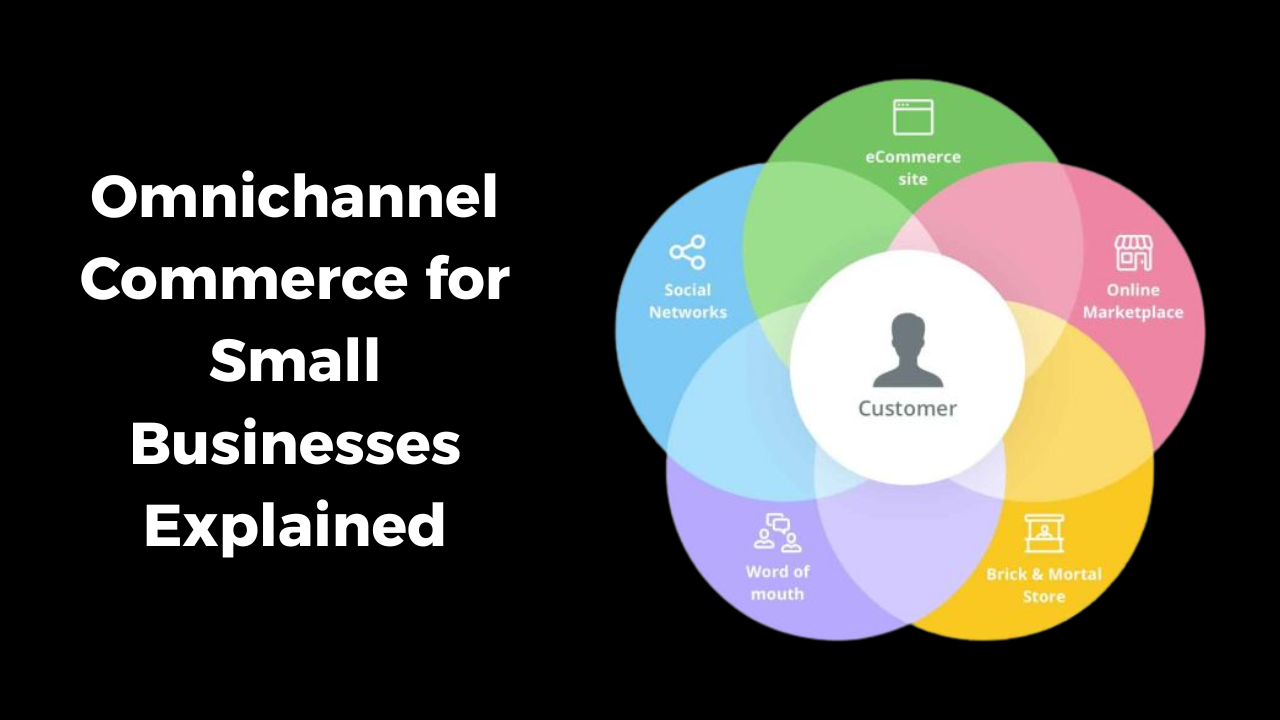
Omnichannel commerce is an approach that connects different sales and communication channels to create a consistent customer experience.
These channels may include:
- Physical retail stores.
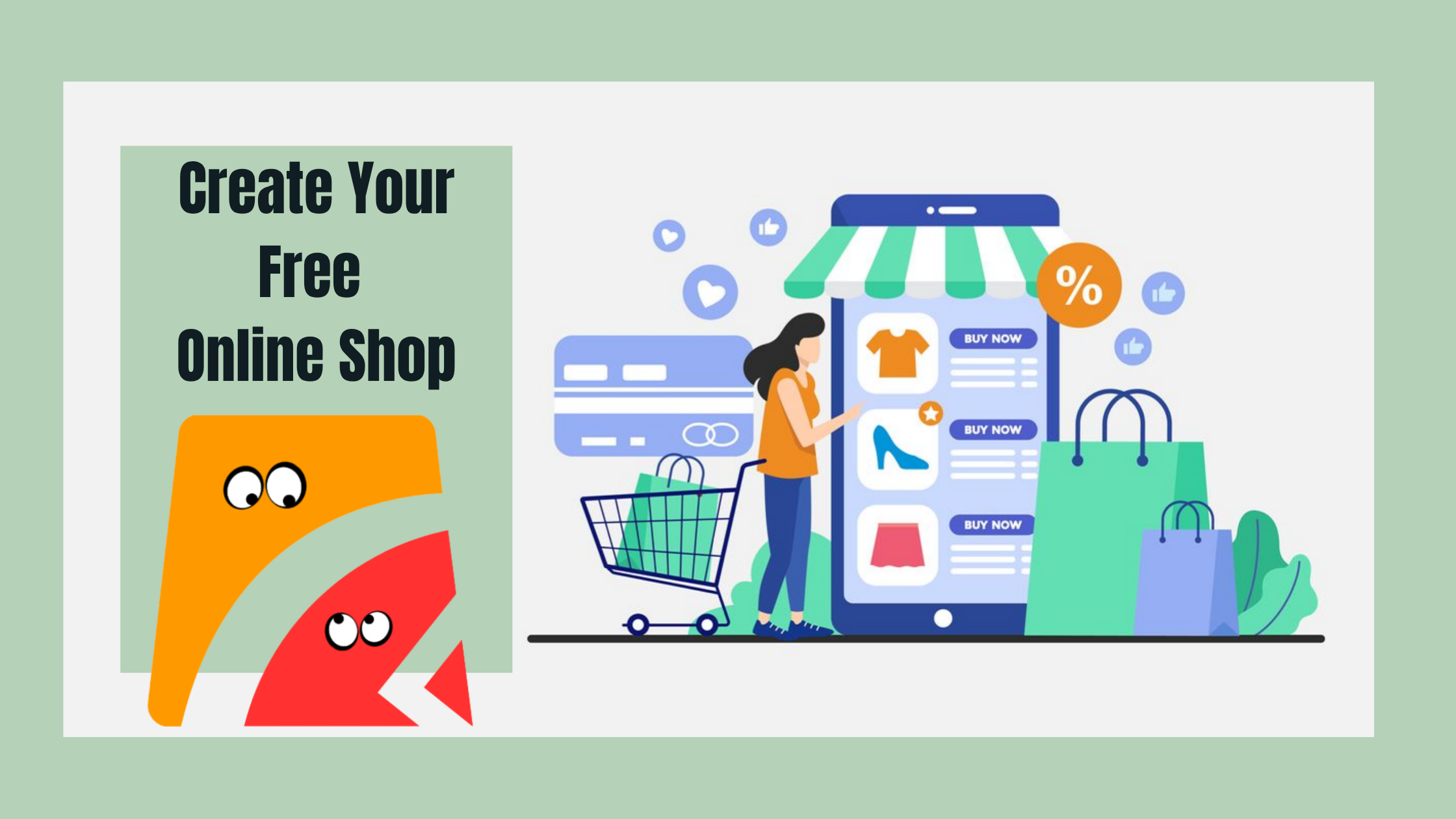
- Business websites and online shops.
- WhatsApp and other messaging platforms.
- Social media pages.
- Online marketplaces.
- Digital payment services.
The important element is coordination.
For example, a customer who enquires about a product through WhatsApp should receive information consistent with what the business displays on its website.
A more advanced omnichannel setup may also connect inventory, orders, customer records, and fulfilment processes across channels.
2. Omnichannel vs Multichannel: What's the Difference?
Although these terms are often used interchangeably, they describe different approaches.
Factor
Multichannel Commerce
Omnichannel Commerce
Main focus | Selling through multiple channels | Connecting the customer experience
Customer interactions | May operate separately | Coordinated across channels
Product information | Can vary between platforms | Kept consistent
Inventory management | May be tracked separately | Can be synchronised
Customer experience | Different on each channel | More continuous
Consider a clothing shop selling through Instagram, WhatsApp, and a physical store.
If each channel operates independently, the business is using a multichannel approach.
If the shop coordinates product availability, pricing, enquiries, and order information across those channels, it moves closer to an omnichannel approach.
3. Why Omnichannel Commerce Matters for Small Businesses
Customers often research products before making purchases.
They may compare prices online, check store locations, read reviews, or contact sellers directly.
When business information differs across channels, customers can become confused.
For example, a furniture shop might advertise a table online that is no longer available in its showroom.
Without updated information, customers may waste time visiting the store.
Coordinating digital and physical channels can help businesses reduce these problems while improving communication and operational clarity.
4. Start With the Channels Customers Already Use
Small businesses do not need to establish a presence on every available platform.
Instead, they should identify where customers discover products, ask questions, and complete purchases.
A neighbourhood bakery might primarily use Google Business Profile, WhatsApp, and its physical store.
A home-based clothing seller might depend on Instagram, an online catalogue, and delivery services.
Choose channels based on customer behaviour and available resources.
Maintaining three reliable channels is often more useful than operating six poorly managed ones.
5. Keep Product Details and Pricing Consistent
Consistent information is one of the simplest ways to improve the customer experience.
Businesses should regularly review product descriptions, prices, availability, and promotional offers.
For example, if a local electronics shop updates the price of a Bluetooth speaker, the change should be reflected across its active selling channels.
A shared spreadsheet or simple inventory register may be sufficient for a small operation.
Businesses handling larger product volumes can consider inventory management software that supports multiple sales channels.
The right system depends on business size and complexity.
6. Connect Online Enquiries With Offline Purchases
Customers should not have to repeat the same information unnecessarily when moving between channels.
Imagine someone contacting a stationery shop through WhatsApp to reserve school supplies.
When the customer arrives, staff should be able to identify the requested items and confirm the order.
Small businesses can support this process by maintaining organised enquiry records, using order reference numbers, and confirming pickup details.
These practices create continuity without requiring advanced automation.
7. Make Payments and Fulfilment Flexible
Payment and delivery arrangements are important parts of omnichannel commerce.
Customers may prefer ordering online and paying in-store, paying digitally before pickup, or purchasing directly at the shop.
Where practical, businesses can offer appropriate options and explain them clearly.
UPI QR codes can support in-person digital payments, while compatible payment gateways can help businesses accept payments through online checkout.
For businesses offering delivery or store pickup, order confirmation and fulfilment responsibilities should be clearly defined.
Not every small business needs all these options. Reliability matters more than variety.
8. When Does a Small Business Actually Need Omnichannel Commerce?
A business may benefit from a more coordinated approach when customers frequently move between online and offline channels.
Common signs include repeated questions about product availability, inconsistent prices, missed customer enquiries, or confusion over pickup orders.
However, a business operating entirely through one channel may not need a sophisticated omnichannel system.
Start by improving communication and maintaining consistent records.
As sales volume and operational complexity increase, businesses can evaluate dedicated inventory, order management, or customer relationship management software.
Frequently Asked Questions (FAQs)
1. What is omnichannel commerce in simple terms?
Omnichannel commerce means connecting different shopping and communication channels so customers experience consistent information and service, whether they interact online or offline.
2. Is omnichannel commerce suitable for small businesses?
Yes. Small businesses can begin with simple practices such as consistent product pricing, organised WhatsApp enquiries, updated online catalogues, and coordinated store pickups.
3. Does omnichannel commerce require expensive software?
No. Basic coordination can be managed through spreadsheets and manual processes. Dedicated software becomes useful when inventory, orders, or customer interactions become difficult to manage.
4. What is the difference between omnichannel and ecommerce?
Ecommerce focuses on selling products or services online. Omnichannel commerce connects multiple customer touchpoints, potentially including ecommerce, physical stores, messaging platforms, and other sales channels.
Conclusion
Omnichannel commerce is about creating a connected buying experience rather than simply appearing on more platforms. Small businesses can begin by keeping information accurate, coordinating enquiries, and making purchases convenient across their existing channels.
Futkar can support this foundation through Pocket Websites, Online Shops, and Digital VCards, while businesses needing advanced inventory synchronisation or centralised order management can explore dedicated omnichannel software.
Ready to grow your business online?
Create your Pocket Website & Digital VCard free with Futkar.
Start Free Today