How UPI Is Changing the Way Small Businesses Sell
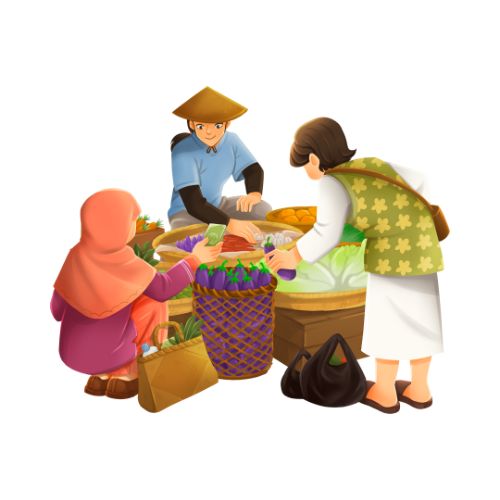
A customer walks into a neighbourhood grocery store, picks up a few items, scans a QR code, and pays within seconds. No searching for change, no card machine, and no lengthy checkout process.
This simple experience reflects a major shift in how Indian businesses operate.
The Unified Payments Interface (UPI) has made digital payments accessible to businesses of different sizes, from street vendors and small retailers to service providers and home-based entrepreneurs.
According to the National Payments Corporation of India (NPCI), UPI processed approximately 24.07 billion transactions in September 2026, highlighting its growing role in everyday commerce.
NPCI
For small businesses, UPI is changing more than payment collection. It is influencing customer expectations, sales processes, and how merchants manage transactions.
1. Faster Payments Make Everyday Selling Easier
Traditional cash transactions often involve counting money, arranging change, and maintaining physical cash records.
UPI simplifies this process by allowing customers to transfer money directly through supported payment applications.
For example, a tea stall serving dozens of customers during busy morning hours can accept QR code payments without handling change for every purchase.
This can help businesses:
- Reduce checkout delays during busy periods.
- Minimise cash-handling requirements.
- Accept payments without a traditional card terminal.
- Serve customers who prefer digital transactions.
However, merchants should confirm successful payment notifications rather than relying only on customer screenshots.
2. QR Codes Make Digital Payments Accessible
One of UPI's biggest advantages is its relatively simple payment infrastructure.
A small shop does not necessarily need an expensive point-of-sale system to begin accepting digital payments. A merchant QR code provided through a supported bank or payment service can be sufficient.
Customers scan the code, enter the amount when required, and authorise the transaction.
NPCI supports several merchant payment integration methods, including QR-based payments and application-based payment flows.
NPCI
For businesses with limited budgets, QR payments provide a practical starting point for digital payment acceptance.
3. Customers Have More Flexibility When Buying
Not every customer carries cash, and not everyone prefers using cards.
UPI gives customers another convenient way to complete purchases using supported banking and payment applications.
Consider a local clothing shop where a customer selects a ₹1,200 outfit but has only ₹500 in cash.
If the shop accepts UPI, the customer can complete the purchase digitally rather than leaving to find an ATM.
This does not guarantee additional sales, but it removes a potential payment-related obstacle.
Offering multiple payment options also helps businesses serve customers with different preferences.
4. Digital Transaction Records Improve Financial Visibility
Cash-based businesses often depend on handwritten registers or manual spreadsheets to track daily collections.
UPI transactions create electronic records that merchants can review through their bank statements or payment service applications.
These records can help business owners:
- Review daily payment collections.
- Identify completed transactions.
- Reconcile customer payments with orders.
- Maintain clearer financial records.
For example, a home-based bakery receiving multiple UPI payments can match transaction references against customer orders.
However, UPI transaction records do not replace proper bookkeeping, invoices, or applicable tax records. Businesses should maintain separate sales and expense records.
5. UPI Supports Both Physical and Digital Selling
Small businesses increasingly receive enquiries through WhatsApp, social media, and online product catalogues.
UPI can support these selling journeys by providing customers with a digital payment option.
For instance, a local gift shop might receive an order through WhatsApp, confirm product availability, and share a payment QR code or supported payment link.
The customer can then pay without visiting the physical store.
Businesses selling through websites can also explore payment gateways that support UPI checkout.
The important distinction is that accepting a payment and automatically confirming an online order are separate functions. Automated checkout generally requires a compatible payment integration.
6. Payment Costs Still Need Attention
UPI is often associated with low-cost transactions, but businesses should not assume every merchant payment is free.
Under the government's September 2026 framework, merchant UPI payments up to ₹2,000 remain free of merchant discount rate (MDR). Certain qualifying small merchants also retain zero-MDR benefits, while specified higher-value merchant transactions may attract charges.
Press Information Bureau
Business owners should check their merchant category, transaction limits, provider terms, and applicable charges before choosing a payment solution.
7. Safe Payment Practices Are Essential
Digital convenience also creates responsibilities.
Small businesses should follow a few basic precautions:
- Verify incoming payments through trusted banking or merchant applications.
- Never share UPI PINs or OTPs.
- Check the recipient details before sending payments.
- Avoid treating payment screenshots as final confirmation.
- Monitor transaction records for discrepancies.
A UPI PIN is used to authorise outgoing payments, not to receive money.
Businesses should also maintain an alternative payment option for situations involving network problems, bank downtime, or failed transactions.
Frequently Asked Questions (FAQs)
1. Is UPI suitable for very small businesses?
Yes. Street vendors, local shops, freelancers, and home-based sellers can use UPI through supported merchant payment services. The setup requirements depend on the provider.
2. Do small businesses need a payment machine to accept UPI?
No. A merchant QR code can allow customers to make UPI payments without a traditional card machine.
3. Can businesses accept UPI payments for online orders?
Yes. Businesses can use supported UPI payment links, QR codes, or compatible payment gateways. Automatic order confirmation depends on the payment integration.
4. Should small businesses stop accepting cash after adopting UPI?
Not necessarily. Offering both cash and UPI gives customers flexibility and helps businesses continue operating when digital payments are unavailable.
Conclusion
UPI is making digital payments more accessible and helping small businesses simplify everyday transactions. Faster checkout, convenient QR payments, and clearer transaction records can improve how merchants serve customers.
For businesses building a digital presence, platforms like Futkar can help showcase products and business information through Pocket Websites, Online Shops, and Smart QR Codes, while UPI payments can be handled through a suitable banking or payment provider.
Ready to grow your business online?
Create your Pocket Website & Digital VCard free with Futkar.
Start Free Today