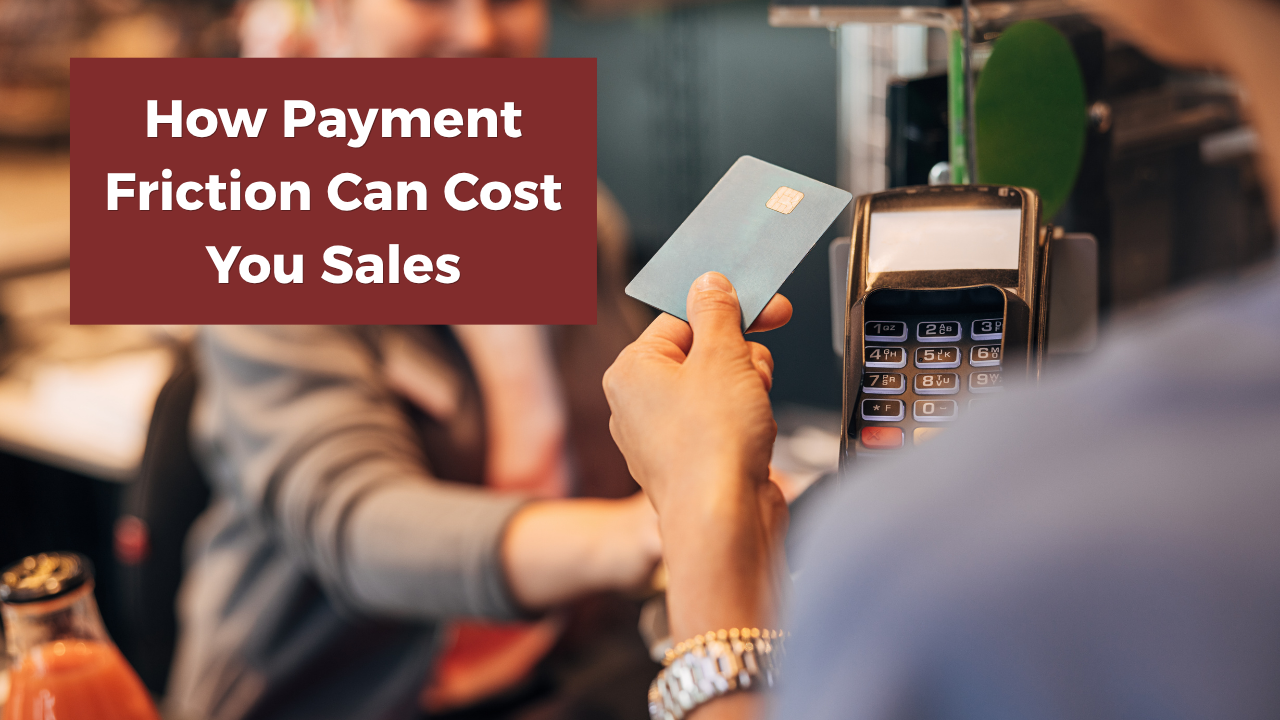
How Payment Friction Can Cost You Sales
Imagine a customer finding the perfect product at your shop, agreeing to the price, and preparing to pay. But the QR code does not scan, the payment application keeps loading, or the checkout process asks for too many details.
After several attempts, the customer decides to leave.
The product was right. The price was acceptable. Yet the business still lost a potential sale.
This is an example of payment friction—the unnecessary difficulties customers experience while trying to complete a transaction.
For small businesses in India, reducing these obstacles can be just as important as attracting new customers.
1. What Is Payment Friction?
Payment friction refers to anything that makes the payment process slower, more confusing, or more difficult than necessary.
It can happen during online checkout, UPI payments, or traditional in-store transactions.
Common examples include:
- QR codes that are difficult to scan.
- Unclear payment instructions.
- Unexpected charges at checkout.
- Limited payment options.
- Failed or delayed transactions.
- Complicated online checkout forms.
- Uncertainty about whether payment was successful.
Not every payment delay leads to a lost sale. However, repeated inconvenience can discourage customers from completing purchases or returning.
2. How Payment Friction Affects Customer Decisions
Customers generally expect checkout to be straightforward once they have decided to buy.
When payment becomes complicated, they may reconsider the purchase, switch to another seller, or postpone buying.
For example, a customer ordering a birthday gift through WhatsApp might be ready to pay ₹800. If the seller shares incorrect payment details or takes too long to confirm the transaction, the customer may choose another store.
Online shoppers can face similar problems.
Research from the Baymard Institute identifies complicated checkout processes, limited payment methods, and unexpected costs among the reasons customers abandon online purchases.
This demonstrates why the payment experience deserves attention alongside product quality and pricing.
3. Hidden Costs Beyond a Single Lost Sale
The impact of payment friction is not limited to one unsuccessful transaction.
Repeated payment problems can create additional operational challenges.
Lost sales opportunities: Customers may abandon purchases when they cannot complete payments conveniently.
Longer checkout queues: Slow transactions can delay other customers, particularly during busy hours.
Additional staff workload: Employees may spend time checking payment statuses or resolving transaction issues.
Lower customer confidence: Frequent payment confusion can make a business appear less organised.
Consider a small café serving customers during lunch hours. If staff repeatedly struggle to confirm UPI payments, the resulting delays may affect the overall service experience.
Even when every transaction eventually succeeds, the additional time and effort can create avoidable costs.
4. Why Payment Choice Matters
Customers have different payment preferences.
Some prefer UPI, others use cash, and certain customers may want to pay by card.
If a business supports only one method, it may create unnecessary obstacles for customers who cannot use that option.
For instance, a neighbourhood clothing shop accepting both UPI and cash can continue serving customers when a payment application is temporarily unavailable.
Businesses should select payment methods based on customer needs, transaction costs, and operational practicality.
Offering more options is useful only when those methods can be managed reliably.
5. Reduce Friction in UPI Payments
UPI offers a convenient way to accept digital payments, but merchants still need a reliable payment process.
A few practical improvements include:
- Displaying a clear, undamaged merchant QR code.
- Keeping payment recipient details accurate.
- Confirming the total amount before payment.
- Checking successful transactions through trusted banking or merchant applications.
- Maintaining an alternative payment option.
A small grocery store can make checkout easier simply by placing its QR code beside the billing counter and displaying the merchant name clearly.
Businesses should never rely solely on customer payment screenshots as proof of successful transactions.
6. Make Online Checkout Simpler
Payment friction can become particularly noticeable when customers order through websites or online stores.
A complicated checkout process may require customers to enter unnecessary information, navigate multiple pages, or repeat details.
To improve the experience:
- Request only essential customer information.
- Display the final payable amount clearly.
- Explain delivery charges before payment.
- Provide appropriate payment options.
- Use a reputable payment gateway for online transactions.
- Show clear payment success, failure, or pending messages.
For example, a local bakery selling cakes online should make it easy for customers to select a product, provide delivery information, review the total, and complete payment.
The fewer unnecessary steps involved, the easier the buying experience becomes.
7. Track Where Customers Experience Problems
Businesses do not need advanced analytics to identify every checkout issue.
Start by observing common customer difficulties.
Do customers frequently ask how to pay? Are UPI transactions often delayed? Do online customers abandon orders after seeing delivery charges?
Keep a simple record of recurring problems and customer feedback.
Businesses using supported online store analytics or payment gateway reporting can also review failed payments and checkout behaviour.
The goal is to identify obstacles that can be corrected rather than assuming every incomplete purchase is caused by payment issues.
Frequently Asked Questions (FAQs)
1. What is payment friction in ecommerce?
Payment friction refers to unnecessary difficulties customers face while completing online payments, such as complicated checkout forms, unexpected charges, failed transactions, or limited payment options.
2. Can payment friction cause small businesses to lose customers?
Yes. Customers may abandon purchases when payment takes too long or becomes confusing. Repeated problems can also discourage future purchases.
3. How can small businesses reduce payment friction?
Businesses can simplify checkout, display clear prices, offer suitable payment methods, maintain working QR codes, and provide reliable payment confirmation.
4. Does offering UPI reduce payment friction?
UPI can make payments more convenient by allowing customers to pay through supported applications. However, businesses still need clear instructions, reliable transaction verification, and alternatives for failed payments.
Conclusion
Payment friction can turn interested customers into missed sales opportunities. By simplifying checkout, improving payment reliability, and communicating clearly, small businesses can create a smoother buying experience.
Platforms like Futkar can help businesses present products and business information through Pocket Websites, Online Shops, and Smart QR Codes, while compatible third-party payment services can support the transaction process.
Ready to grow your business online?
Create your Pocket Website & Digital VCard free with Futkar.
Start Free Today